Written by Bamboo Hat Admin | March 18, 2025
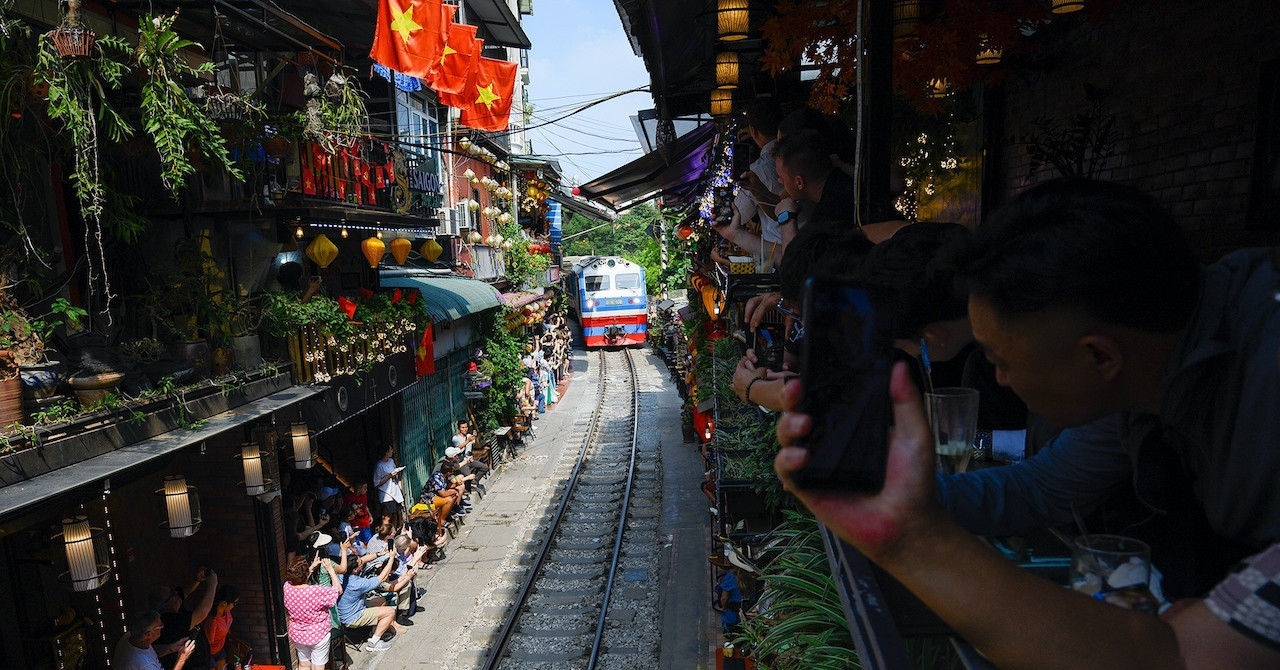
Hanoi’s famous Train Street, a narrow alley where trains pass just inches away from homes and cafés, has long been a major attraction for tourists seeking a thrilling and unique experience. However, authorities have recently imposed a ban on guided tours to Train Street, citing safety concerns. Here’s what travelers need to know about the new restrictions, the reasons behind them, and alternative ways to explore Hanoi’s rich culture.
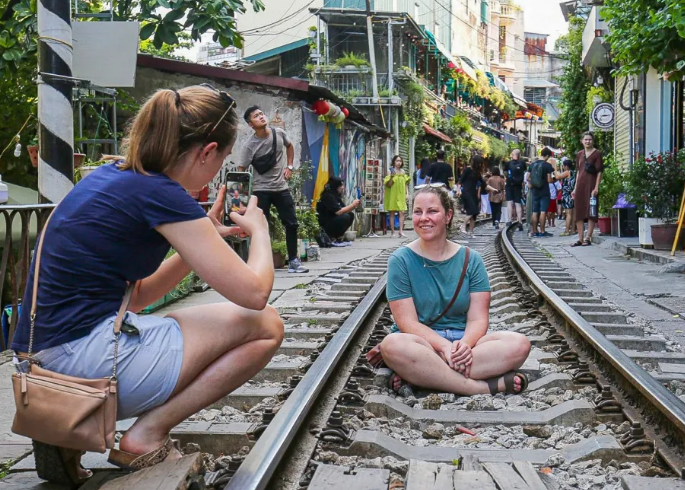
Why Was Train Street Banned?
The decision to ban Train Street tours stems from increasing safety risks and concerns about public order. Several factors contributed to this move:
What Does the Ban Mean for Travelers?
Are There Any Legal Ways to See Train Street?
Despite the ban on tours, visitors may still be able to see parts of Train Street by following these tips:
Alternative Train-Related Attractions in Hanoi
If you’re disappointed by the Train Street ban, there are still plenty of exciting railway-related experiences in Hanoi:
A historic bridge where you can see trains passing over the Red River with stunning views of the city.
Less crowded and offers a more relaxed atmosphere compared to Train Street.
Visit the main station to see trains up close and experience Hanoi’s transportation hub.
Great for photography without the safety risks of Train Street.
A lesser-known spot where you can see old trains and learn about Vietnam’s railway history.
The Train Street ban marks a significant change for Hanoi tourism, prioritizing safety over spectacle. While this means one less Instagram-worthy spot for travelers, Hanoi still offers countless cultural and historical attractions worth exploring. If you are looking forward to Train Street, consider visiting alternative railway sites or diving into the city’s rich café culture, bustling markets, and historic landmarks.
Stay updated on local regulations, and always respect safety guidelines while exploring Hanoi!